Why a rag can catch fire on its own
Some oils, such as linseed oil, tung oil and many oil-based stains and varnishes, harden by reacting with oxygen in the air. That reaction gives off heat. In a pile or a ball of rags the heat can't escape, so the temperature climbs until it ignites, sometimes hours later. This is spontaneous combustion.
Rags soaked with gasoline, thinner or solvents don't self-ignite the same way, but their vapours are highly flammable near a flame or spark.
What to do
- Never leave rags in a pile, in an open trash can or in a corner of the shop.
- Dry them flat, outdoors, away from buildings, children and pets, before throwing them out.
- Or put them in a metal container with a tight lid, filled with water, until you can get rid of them.
- At work, use a self-closing metal oily-waste can and empty it every day.
- Don't put oil-soaked rags in a dryer, even after washing: dryer fires start this way.
Where to dispose of them in Québec
For households, rags soaked with oil or solvent are household hazardous waste: take them to your city's eco-centre in a closed container. Businesses must dispose of them under their hazardous materials rules, often through a specialized provider.
If in doubt, check with your municipality's fire department.
Choosing the right rag
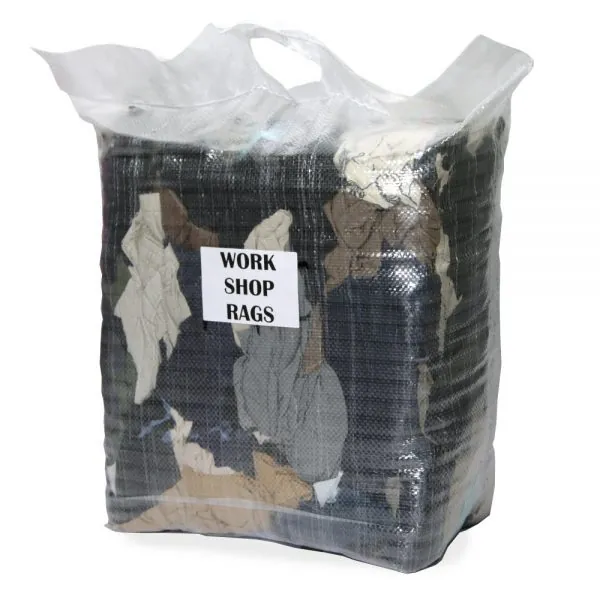
For stain and varnish, white T-shirt rags won't bleed. For oil and grease in the garage, colored terry absorbs the most.